
Hack4Freedom and Dada Devs Train Women to Build on Bitcoin
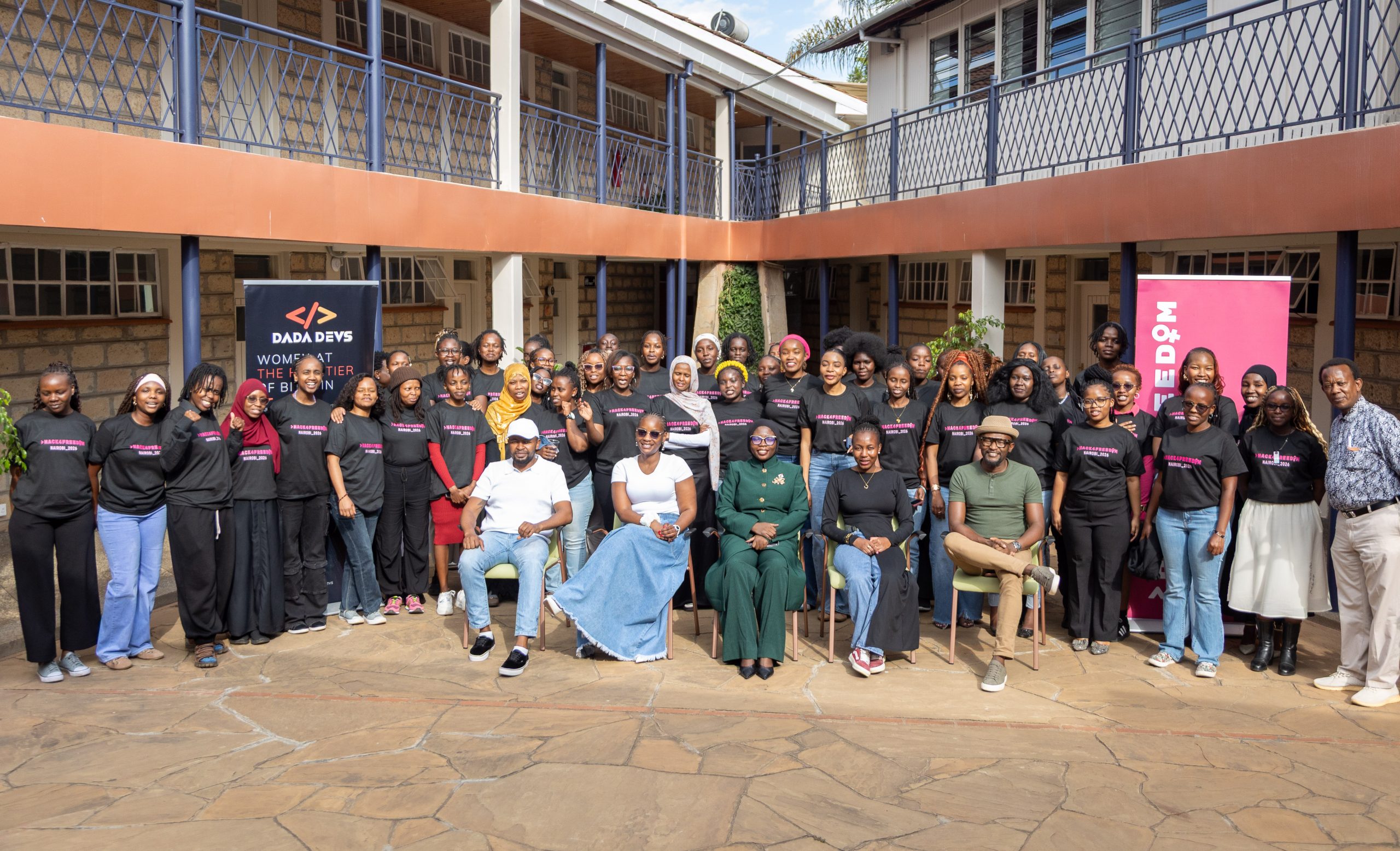
More than 70 women developers from across Nairobi showed up for Hack4Freedom, a two-week hybrid programme of workshops, mentorship and hands-on building centred on Bitcoin and freedom technology.
Running from September 21 to October 5, 2026, it ended in a hackathon where participants presented the ideas they had turned into working projects.
Organised by Hack4Freedom in partnership with Dada Devs, the programme dug into Bitcoin, Lightning, Nostr, eCash and open-source development. Beyond the technical sessions, it created space for women to connect with other builders, exchange ideas and explore their place in an ecosystem where they can contribute to the technologies they use.
Learning and Building
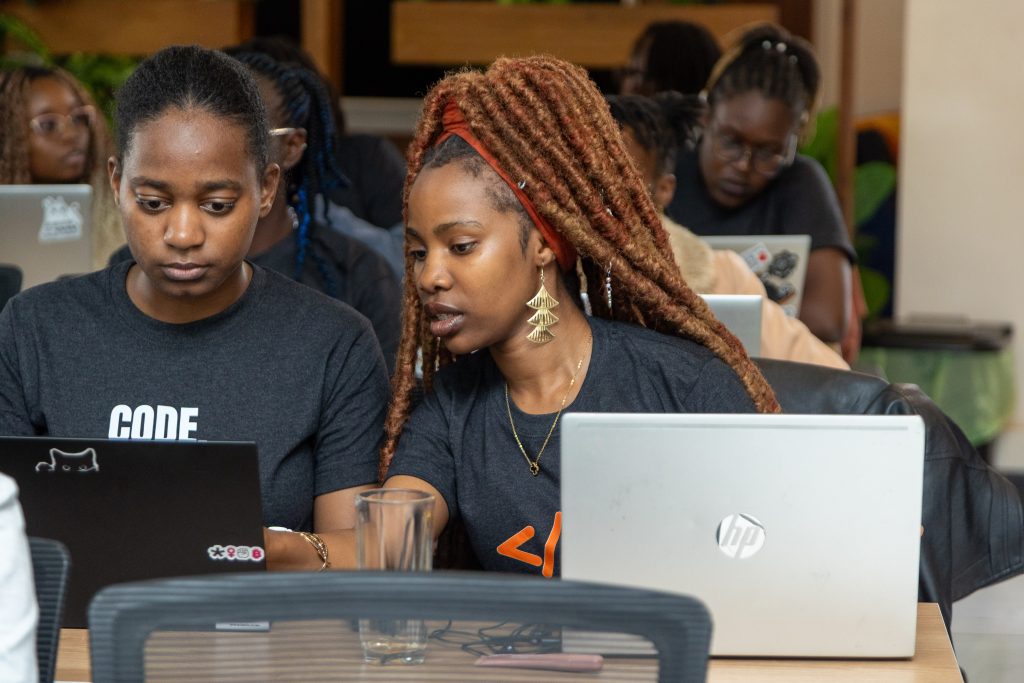
The programme began with an in-person meetup at The Node NBO, where participants had the opportunity to network, share ideas and get to know the women they would be learning and working alongside.
Lorraine Marcel, founder of Bitcoin Dada and Dada Devs, encouraged participants to take the initiative and start building, despite any fears they held about hackathons. Her message reflected a central idea behind the programme: Africa needs more women creating technology, not simply consuming it.
Other speakers shared lessons from their experiences in technology and community building. Brianna Honkawa, founder of Hack4Freedom, introduced the programme’s purpose, while Sabina and Jason from Tando discussed their experiences building and taking risks. Sharon Murugi of Btrust Builders spoke about building in public and sharing work before it is perfect.
Together, these conversations challenged participants to think beyond technical ability. Building also requires confidence, collaboration and a willingness to learn in public.
The technical programme complemented these discussions with sessions on Bitcoin fundamentals, mining, Nostr, Bitcoin Core, RPC commands and open-source contributions. Participants also explored design, user testing, career development and the practical process of identifying problems worth solving.
As teams took shape, they had to move from broad ideas to specific problems, consider who their solutions would serve and determine what they could realistically build within the available time.
Team Project Presentations and Awards
After intensive learning, collaboration and building, Demo Day brought the programme to a close, with ten groups presenting their projects. The presentations showcased different ways participants had explored Bitcoin and freedom technology, applying what they had learned to problems they wanted to solve.
Four projects received special recognition: Anza took first place, Nostr Warriors placed second with Resilience, MIKI took third place, and Nuru Women received the Nostr/Soapbox prize.
First Place Prize: $2,000
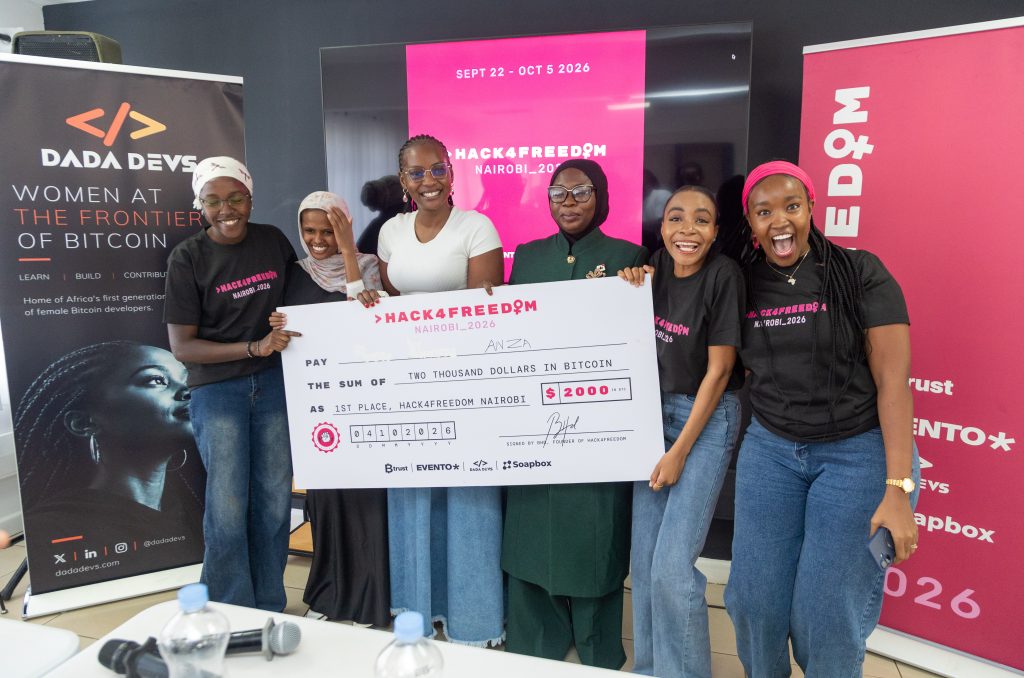
Anza’s winning project was an open, decentralised licensing infrastructure designed to help creators define how their work can be used, publish licensing offers and create verifiable transaction records. The team built a working creator-licensing application around the protocol, demonstrating how decentralised technology could support agreements between creators and the brands licensing their work.
Second Place Prize: $1,000
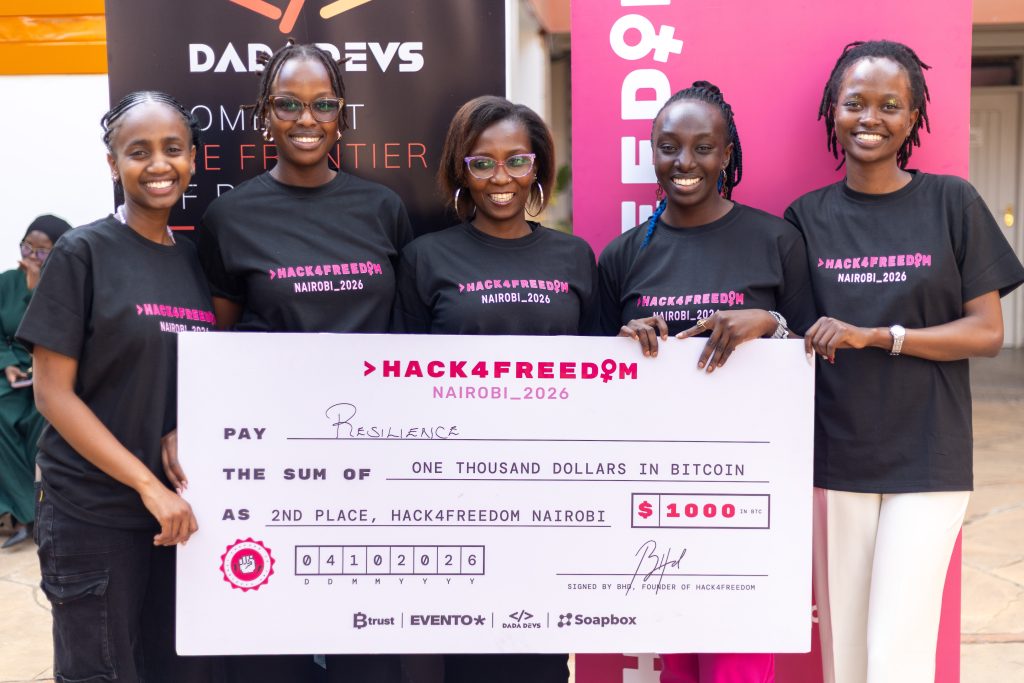
Team Nostr Warriors placed second with Resilience, a privacy-focused Progressive Web App designed to help survivors of gender-based violence access verified counsellors, trusted resources and financial support without disclosing their identities. The platform uses pseudonymous Nostr accounts, encrypted conversations, a resource directory covering shelters and legal and medical services, and Lightning-based payment flows that support payouts in Kenyan shillings through M-Pesa.
In addition to its second-place finish and $1,000 prize, Resilience received an extra $500 award from Lorraine Marcel.
Third Place Prize: $500
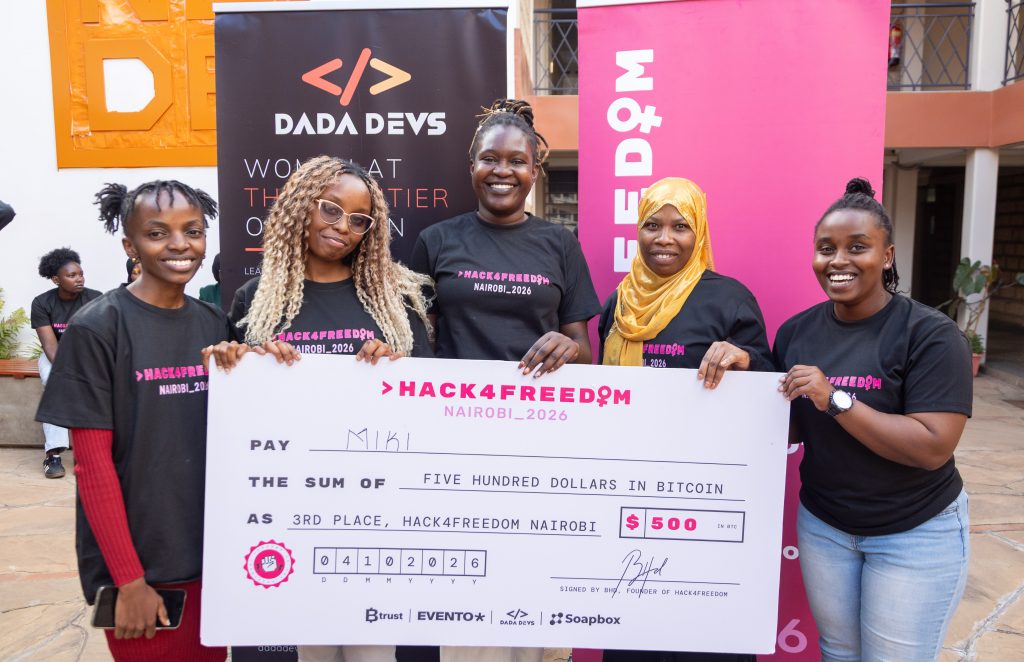
MIKI took third place with a hands-free, real-time auditory payment verification system. Designed for visually impaired users, merchants and others who need to operate without looking at a screen, MIKI uses audio feedback to help users verify Lightning Network payments.
Nostr/Soapbox Prize: $1,000
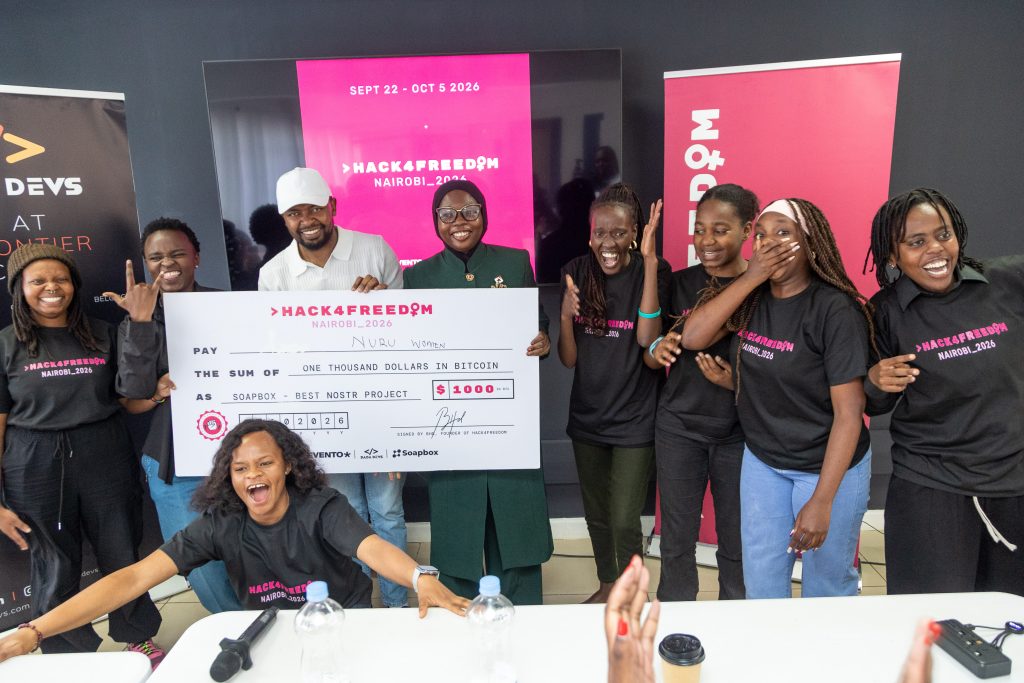
Nuru Women received the Nostr/Soapbox prize for a privacy-first women’s health knowledge and community platform designed for Kenya and the wider African region. It allows users to ask sensitive health questions anonymously, explore health information in English and Kiswahili, browse recent research and visualise gaps in existing research.
Although the four recognised projects addressed different challenges, they shared a common thread: using freedom technology to explore practical solutions to real-world problems, from creator licensing and payment accessibility to survivor safety and women’s health.
The awards celebrated four teams, but all ten presentations formed part of a broader opportunity for participants to move beyond learning about technology and begin building with it. All the projects can be found on the Hack4Freedom GitHub.
More Than Code
Hack4Freedom and Dada Devs also made room for activities beyond coding and technical workshops. Participants created content, shared updates about their experience and took part in games and networking activities.
These moments helped document the process behind the final demos. They showed the conversations, experimentation and teamwork that often remain unseen when a hackathon is reduced to its winning projects.
Dada Devs’ role in creating a supportive environment was an important part of this experience. Technical communities need people who share knowledge, encourage newcomers and help others navigate unfamiliar challenges. During the programme, Nelly Nakhero, a Dada Dev, received special recognition for her support and encouragement of the participants.
Keeping the Momentum Going…
Hack4Freedom Nairobi concluded with ten projects presented, four teams recognised and more than 70 women having spent two weeks learning and building together.
For Dada Devs, the programme connects to a wider goal of supporting African women as they develop the skills and confidence to contribute to Bitcoin and open-source projects. Creating opportunities to learn these technologies is one part of that work. Helping women collaborate, share their work and continue building beyond a structured programme is another.
Hack4Freedom Nairobi offered a reminder that becoming a builder does not require knowing everything before starting. It requires opportunities to learn, the willingness to experiment and a community that makes it easier to take that first step.
The Nairobi edition was made possible by the support of Btrust, Evento and Soapbox, together with the wider Hack4Freedom ecosystem, which includes the Human Rights Foundation.
checkout the video >> hackathon video highlight