
Breaking Barriers: How Women in Africa are Advancing Bitcoin Development through DADA DEVS
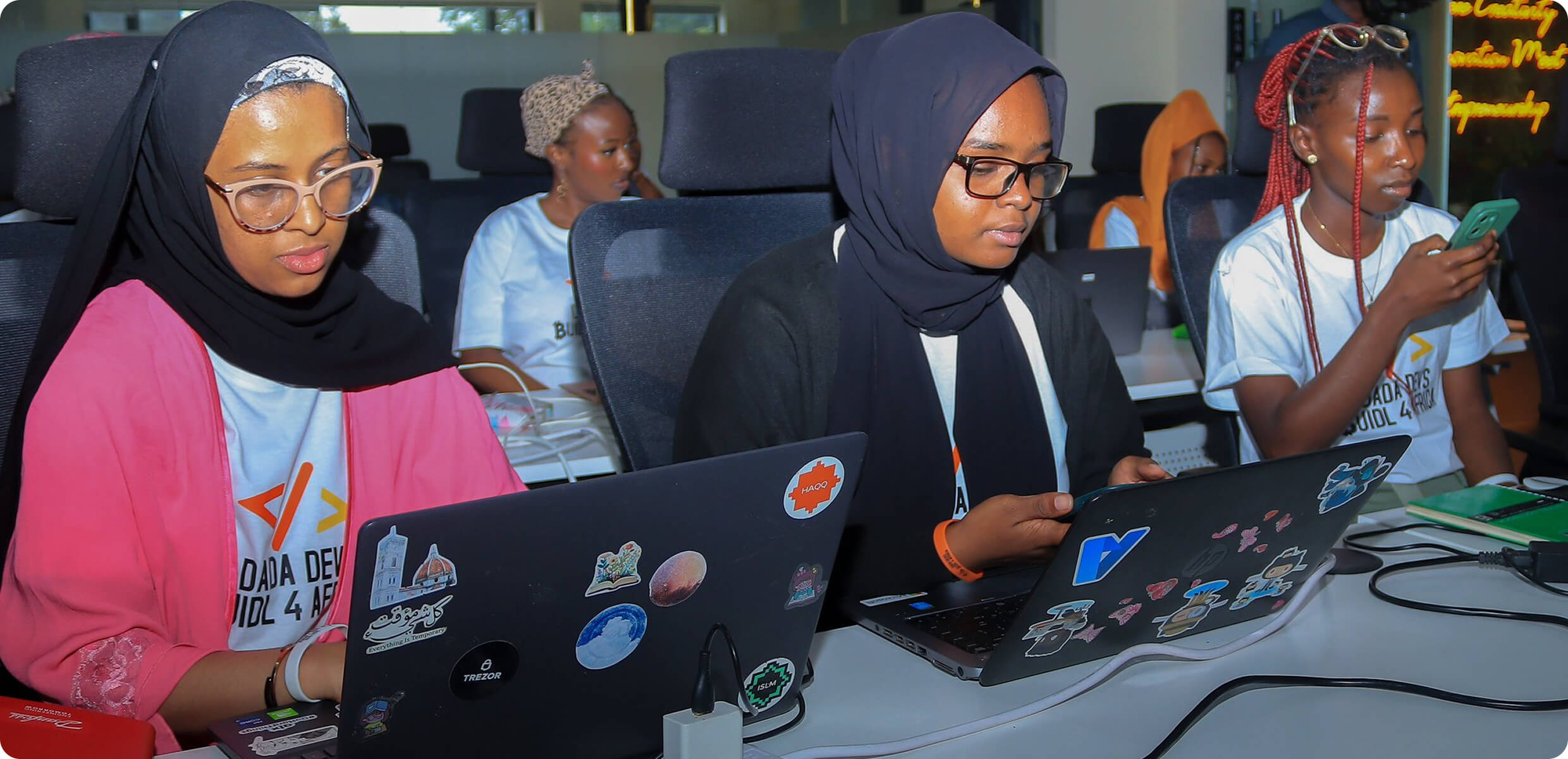
The need for more women in Bitcoin development extends far beyond achieving diversity in a male-dominated field; it’s about driving inclusive solutions and ensuring the future of finance reflects the world it serves. According to the World Bank, about 1.4 billion people globally do not have access to a bank account, and 350 million are unbanked in Sub-Saharan Africa alone.
When 63% of Africa’s unbanked population is female, the absence of women developers doesn’t just represent an equality gap – it creates a critical blind spot in developing solutions that could serve millions. To close this gap, Lorraine Marcel was motivated to establish DADA DEVS, the world’s first female-focused Bitcoin developers club.
Why DADA DEVS?
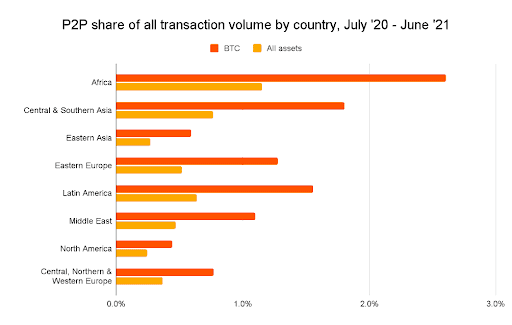
The Bitcoin development scene has largely been male-dominated but for Africa, the stakes of financial growth are too high for this gender imbalance to continue. Since 2021, the African continent has been at the forefront of Bitcoin P2P transactions yet the main drivers of this financial tool are overtly male according to reports by Cointelegraph.
This lack of diversity in development teams often results in products overlooking the specific needs and challenges faced by women in African markets. From user interface design to product features, the lack of female perspectives in development teams creates a barrier to Bitcoin adoption among women-led businesses and households. For example,
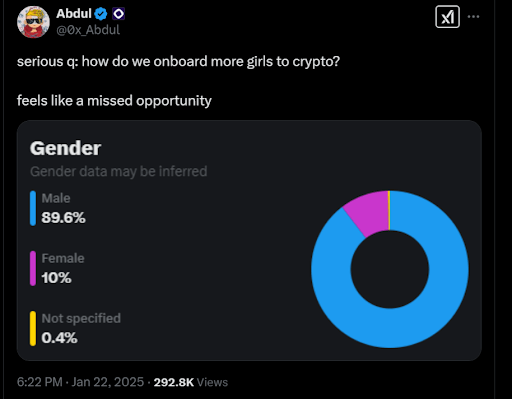
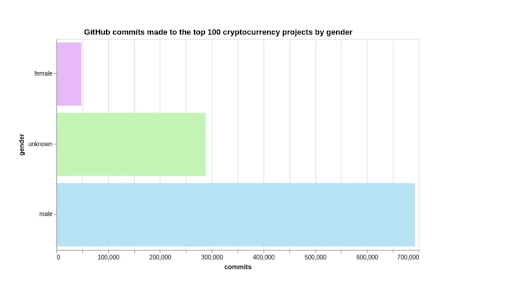
The development team is not the only place lacking a female presence in the Bitcoin and crypto ecosystem. A post on X (formerly Twitter) reveals the disparity in female participation at just 10%. An abysmal number further compounded by the fact that only 4.64% of female names account for the commits to the top 100 cryptocurrencies according to a data scraping research of GitHub by Corine Faife.
The next face of Bitcoin adoption requires layers of participation that will trickle from development to user design to interaction from end users. A typical example of adoption will be how major centralised platforms designed their products to include P2P features that accommodate different countries. If we can have inclusions for countries to upscale adoption; we can educate and equip more women in Bitcoin development to create diverse solutions.
Enters DADA DEVS
The first of its kind, DADA DEVS is a female-focused Bitcoin developers club. The word DADA is coined from the Swahili word “sister”. According to founder Lorraine Marcel, the initiative aims to equip African women with the technical skills to develop and contribute to Bitcoin and Lightning applications. DADA DEVS extends beyond just teaching women to write codes, it also provides tools and a support system to enable them to create a ripple effect in the space.
Lorraine’s vision for DADA DEVS exceeds traditional coding boot camps and induces the African ideology of ‘Ubuntu’ providing comprehensive communal support systems for female Bitcoin developers. Lorraine believes that, “By equipping women to lead in Bitcoin, we’re not just fostering innovation—we’re reshaping Africa’s wealth distribution and ensuring generational prosperity.”
By focusing on women in Africa, DADA DEVS is tackling gender bias and regional underrepresentation, bringing fresh perspectives to Bitcoin development resulting in more female adoption. Simon, the lead trainer for DADA DEVS, is dedicated to providing hands-on training to the women in the program.
With extensive expertise in Bitcoin and Lightning Network development, Simon believes that “Supporting women in Bitcoin development not only strengthens Africa’s digital economy but also sparks innovation that will drive lasting change and open new avenues for economic growth across the continent.” At the end of the program, participants would have acquired technical training in Bitcoin and Lightning development, interacted with industry experts as mentees and created real-world solutions through workshops, boot camps and hackathons.
A Trail of Success
DADA DEVS has already made a significant impact on its journey to building a community of female Bitcoin developers building real-world applications. In November 2024, DADA DEVS held a hardware wallet Workshop in collaboration with Trezor Wallet. Participants learned about wallet development and explored ways to make hardware wallets more secure and accessible for women-led businesses.
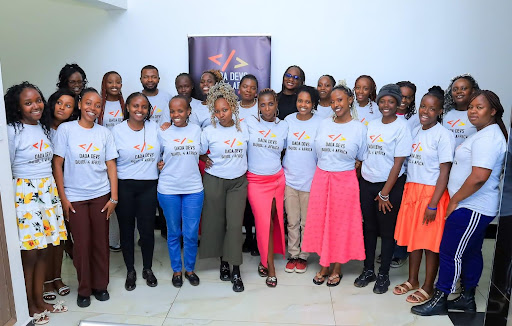
Aside from Workshops, DADA DEVS held a successful 3-day boot camp sponsored by Machankura and Bitnob. The participants focused on Lightning Network development and local payment solutions. The boot camp marked an end to months of learning for the women in DADA DEVS, with 30 women graduating from the first cohort. DADA DEVS is currently accepting applications for the second cohort and interested participants can sign up here.
The Future: What’s Next for DADA DEVS?
Currently, DADA DEVS has a presence in 4 countries, Ghana, Kenya, Zambia and Nigeria, but plans to expand to 3 more countries by the end of 2025. The plans for the future are ambitious and there are upcoming events and projects planned for a future of introducing 10,000 Bitcoin Women Developers by 2030.
DADA DEVS plans to expand the current mentorship programs to connect participants with global Bitcoin developers and launch an advanced developer track for participants who complete the foundational program. There are also talks for potential partnerships with Bitcoin companies to provide job placements for program graduates.
The future of DADA DEVS is bright, you are a crucial part of it. Whether you’re an experienced Bitcoin developer ready to mentor, a supporter eager to sponsor a program, or someone passionate about advancing women in Bitcoin, there’s a place for you.
Visit the DADA DEVS website today to get involved, and don’t forget to follow on LinkedIn and Twitter to help spread the word.
Building a stronger and more inclusive Bitcoin ecosystem is possible and you can be a part of it.